The difference between a good Cozumel dive day and a great one often happens before your first back roll. It is the boat that leaves without a crowd, the crew that knows your gear, and the guide who can choose a reef based on current, visibility, and what you actually want to see. That is what Cozumel scuba diving should feel like: easy on the surface, unforgettable below it.
Cozumel sits beside the Mesoamerican Reef, with clear Caribbean water, healthy coral formations, dramatic walls, and the current-driven flights that make drift diving so addictive. But the island is not a one-size-fits-all destination. A first-time diver, a vacationing Open Water diver, and an instructor candidate can all have an exceptional week here, provided the operation matches the experience to the diver.
Why Cozumel scuba diving feels different
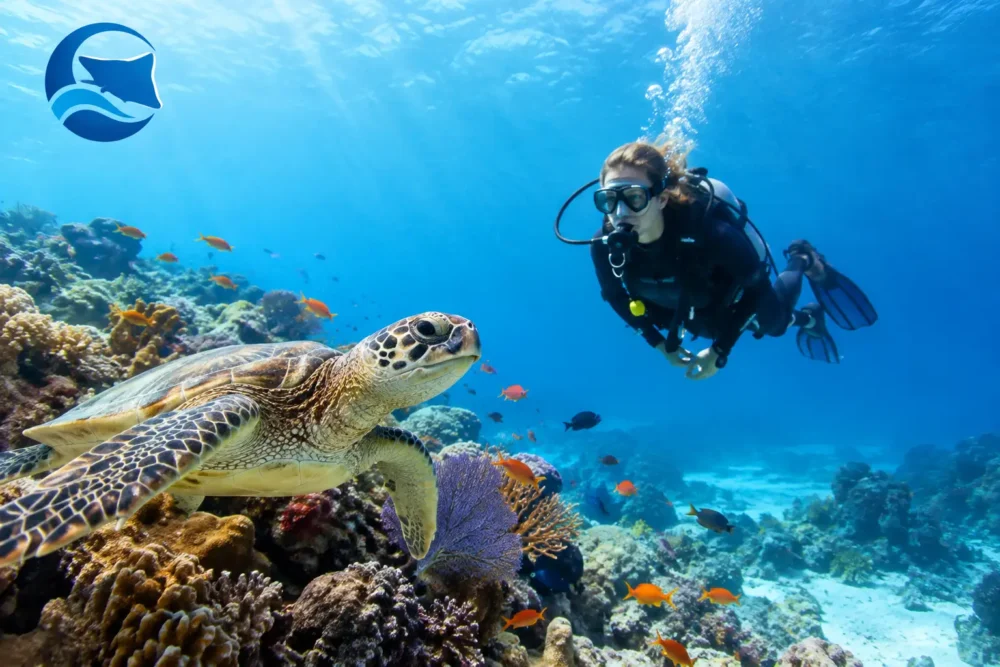
The reefs off Cozumel are known for visibility that can stretch well beyond a typical local quarry or lake day, but visibility is only part of the story. Coral heads, swim-throughs, sponges, sea fans, turtles, nurse sharks, eagle rays in season, and clouds of reef fish give each site its own personality. One morning may be all bright shallows and relaxed reef cruising. The next can be a deeper wall with blue water dropping away beside you.
Then there is the current. Cozumel drift diving means the water does much of the traveling while you focus on buoyancy, reef awareness, and the life passing below. It can feel effortless when conditions are friendly and your group is well matched. It also requires thoughtful planning. Current strength changes, sites vary, and a good guide will choose the right route instead of treating every diver the same.
That is why the best days are not about checking the most famous reef name off a list. They are about being on the right reef at the right time with a crew that has the flexibility to make a smart call.
Small boats make a real difference
A crowded dive boat can turn a beautiful destination into a long day of waiting: waiting to board, waiting for gear, waiting for a giant group to clear the ladder, and waiting for the boat to travel slowly from site to site. Small-group diving changes the rhythm completely.
With six to eight divers, guides can keep a closer eye on air consumption, comfort level, and buoyancy. Newer divers get more coaching without feeling singled out. Experienced divers have room to settle into the dive rather than following a long line of people through the same narrow swim-through. Surface intervals are more relaxed, too, because the crew can spend time talking with guests instead of managing a crowd.
Fast boats are equally valuable. Less travel time means more time enjoying Cozumel, whether that means an early lunch in town, a beach afternoon, or simply a proper rest before a night out. A smaller boat is not automatically better in every situation, but for divers who value personal attention and a calm, organized day, it is a major upgrade.
At Blue Magic Scuba, that personal approach includes valet-style equipment support and deliberately uncrowded boats. You still need to be an engaged diver, of course, but you should not have to wrestle with logistics on vacation when a professional crew can make the day run smoothly.
The right Cozumel reef day for your experience
If you are already certified
Certified divers have the widest range of options, from easy reef slopes to deeper walls and more energetic drifts. The best plan depends on your recent experience, comfort in current, certification level, and how long it has been since your last dive. Be honest about all four. A good operation will not judge you for needing a refresher or preferring a gentler first day.
If you are comfortable and current, ask for a mix of reef styles across your trip. Start with a familiarizing dive, then build toward sites with stronger drift, deeper profiles, or more structure. The goal is not to prove anything on day one. It is to get dialed in and enjoy every subsequent dive more.
Nitrox can be a smart option for divers planning several days of repetitive diving, especially when deeper sites are on the schedule. It does not replace conservative planning or proper analysis, but it can add useful flexibility when used within training and dive-computer limits.
If you have never breathed underwater
Cozumel is a wonderful place to try scuba, but first-time divers should not be rushed into the ocean because the water looks inviting. A quality Discover Scuba experience begins with a clear briefing, equipment orientation, and patient skill practice in confined water or calm, shallow conditions. You should understand how to clear a regulator, equalize, communicate, and respond if something feels off.
Nervous is normal. Plenty of excellent divers started out worried about breathing, ears, or simply being underwater for the first time. The right instructor keeps the pace steady and makes space for questions. If it takes extra time to get comfortable, that is time well spent.
For travelers who know they want more than a single experience, an Open Water course in Cozumel offers the advantage of learning in warm water with real reef motivation waiting beyond the skills. It is a vacation, but it is still a certification course. Choose an instructor who makes standards, comfort, and real understanding the priority.
If you are ready to progress
Cozumel rewards divers who want to develop beyond the basics. Drift, Deep, Nitrox, and Sidemount specialties all make practical sense here, depending on your goals. Drift training builds confidence in current and helps divers understand entries, descents, navigation considerations, and group awareness. Deep training develops judgment for planning and managing deeper recreational profiles. Sidemount may appeal to divers who want a different equipment configuration, more streamlined trim, or a path toward broader technical skills.
For aspiring professionals, the island can be even more valuable. Divemaster and instructor training should involve more than classroom presentations and a stack of paperwork. Candidates benefit from real exposure to daily boat operations, guest care, briefings, problem solving, and the behind-the-scenes discipline that keeps a busy dive operation safe. A professional rating carries more weight when you have practiced being a dependable teammate, not just passed an exam.
How to plan a better diving week
Book enough diving days to let the weather and your body set a sensible pace. Three or four dive days give you more flexibility than trying to force every experience into a two-day sprint. Leave your final full day free of diving before flying, and follow the conservative no-fly guidance provided by your dive professional and computer.
Pack your certification card, logbook or digital proof of training, dive computer, swimwear, sun protection, and any personal items that improve your comfort. If you bring your own mask, make sure it is fitted and defogged before the first dive. For rented equipment, tell the shop your sizes and preferences ahead of time. Little details like a properly fitted wetsuit and familiar fin style matter more than most travelers expect.
Accommodation also affects the quality of a dive trip. Staying near the shop, boat departure, and town can make early mornings far more pleasant. Flexible sleep-and-dive bundles are especially useful for solo travelers, students, and groups with different schedules. The easier the logistics, the more energy you have for the reef.
Respect the reef that makes the trip possible
Cozumel’s reefs are spectacular, but they are not indestructible. Great divers control their buoyancy, keep fins away from coral, avoid touching marine life, and secure dangling gauges or accessories. Use reef-safe choices where possible, listen to local rules, and let the guide set the appropriate distance from turtles, rays, and other animals.
This is not about making a dive feel restrictive. It is about preserving the reason you came. A calm, observant diver sees more anyway. Slow down near a coral head, look under ledges without reaching inside, and give marine life room to behave naturally.
When you plan Cozumel scuba diving around small groups, capable guides, and training that fits your level, the island stops feeling like a checklist destination. It becomes the kind of place where your second day is better than your first, and where the people you meet on the boat may become part of your diving family. Bring curiosity, communicate your goals clearly, and leave room in the schedule for the reef to surprise you.