A scuba course can shape an entire vacation. Choose the wrong setup and you may spend your limited island time in a crowded classroom, waiting on a packed boat, or rushing through skills you want to understand. Choose one of the best scuba courses for travelers, and your certification becomes part of the reason you came to Cozumel in the first place: warm Caribbean water, bright reefs, patient instructors, and the satisfaction of leaving with real confidence.
Cozumel is especially well suited to travelers who want more than a certificate card. The island offers clear water, gentle conditions on many sites, and famous drift diving once your skills are ready for it. The key is matching the course to your current experience, your vacation schedule, and the kind of diver you want to become.
What makes a scuba course work on vacation?
A vacation course should not feel like a shortcut. It should feel organized. The best programs make room for learning while still protecting time for the parts of Cozumel you traveled to enjoy: boat rides along the coast, reef dives, good food, and time to relax between underwater adventures.
Start with the instructor-to-student ratio. Small groups give instructors time to notice how each student is doing, correct small issues before they become habits, and adapt to different comfort levels. This matters even more for nervous beginners. A student who needs an extra minute to clear a mask or settle their breathing deserves calm coaching, not pressure to keep up with a large class.
Boat operations matter, too. A fast, licensed boat with a small group can get divers to the reefs efficiently and avoid the feeling of being processed through a high-volume excursion. Personal equipment support is not just a luxury. When the crew helps you set up, check fit, and handle gear between dives, you can focus on the skills and the reef rather than wrestling with logistics.
Finally, look for an operator that treats safety as part of good hospitality. Clear briefings, properly maintained equipment, experienced dive professionals, and a sensible plan for conditions are the foundations of an enjoyable course. Great instruction is encouraging, but it is never casual about standards.
The best scuba courses for travelers, by experience level
Discover Scuba for the curious first-timer
If you have never breathed underwater, a Discover Scuba experience is the smartest place to start. It is not a certification course, but it gives you a supervised introduction to the equipment, basic underwater skills, and the sensation of being weightless on a reef.
This option is ideal for travelers who are unsure whether diving is for them, are traveling with certified family members, or simply want a memorable first underwater experience without committing several vacation days. Expect a careful orientation and close instructor supervision. The goal is comfort and enjoyment, not speed.
A Discover Scuba experience can also help you make a better decision about Open Water certification. If you love it, you will begin the full course with a clearer sense of what to expect. If it is not your thing, you still had a remarkable Caribbean experience without forcing a certification timeline.
Open Water Diver for a vacation that changes your travel options
The PADI Open Water Diver course is the best choice for travelers who want to become certified divers and have enough time to do it properly. It combines knowledge development, confined-water skills, and open-water training dives. By the end, successful students can dive independently with a buddy within the limits of their certification.
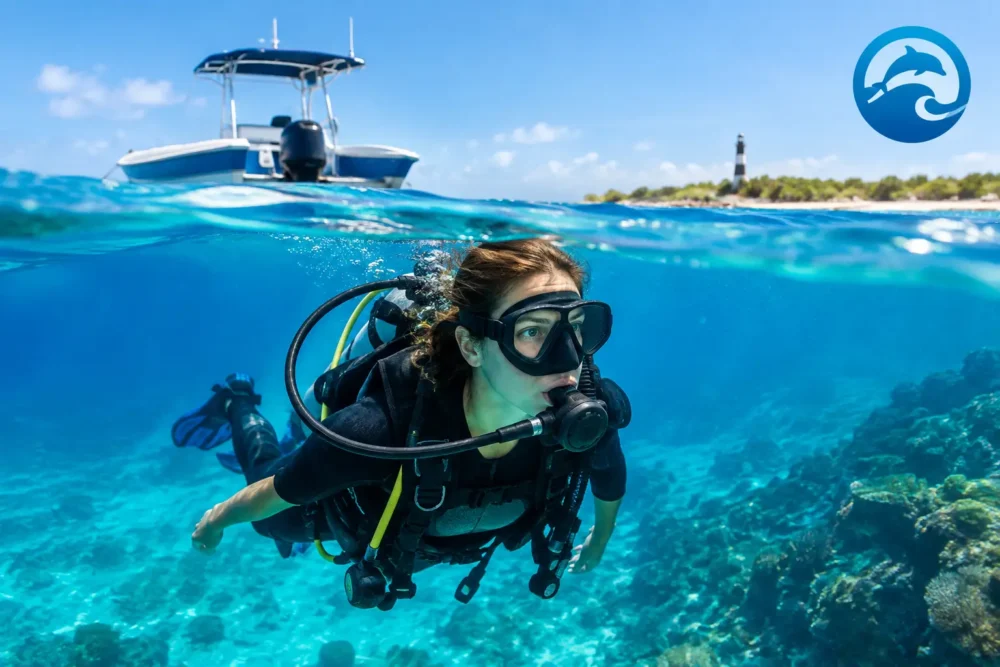
Cozumel provides a spectacular setting for those training dives. Instead of viewing certification as something to finish before the “real” dives begin, students can learn buoyancy, navigation, and safe ascent practices in warm blue water surrounded by healthy reef life.
The trade-off is time. A complete Open Water course requires a meaningful portion of your stay, particularly if you begin the academic work on the island. Travelers who want a more relaxed schedule can complete the knowledge portion before arrival, then focus their vacation days on in-water training. Ask about the exact schedule before booking, especially if you have flights, ferry plans, or nondiving companions to coordinate.
Advanced Open Water for certified divers who want range
Advanced Open Water is often misunderstood as a course only for highly experienced divers. In reality, it is designed for already certified divers who want guided practice in several new environments and skills. It is a practical way to build confidence after Open Water while trying experiences such as deep diving, navigation, and drift diving.
For Cozumel visitors, the drift component is a major draw. The current can carry you gently along dramatic walls and coral formations, covering more reef than you would on a stationary dive. It is exhilarating, but it also requires good attention to the guide, buddy awareness, descent and ascent procedures, and surface pickup protocols. Learning drift techniques with local professionals makes the experience much more comfortable.
Advanced Open Water is a good fit for travelers who already have basic certification but have not dived recently. It can refresh core habits while adding purposeful experience. If you are returning after several years away, however, a refresher may be the better first step before moving into advanced training.
Specialty courses for the dive trip you actually want
Specialty training is where a vacation course becomes highly personal. Rather than collecting certifications for their own sake, choose a specialty that supports the diving you hope to do next.
Nitrox is a popular option for travelers planning multiple dives over several days. Using enriched air can extend no-decompression limits within your depth and mix limits, which can be useful on repetitive reef diving. It does not make deep diving risk-free, and it requires disciplined analysis and labeling procedures, but it is a valuable tool when used correctly.
Deep Diver training is a strong choice for certified divers who want more knowledge, experience, and planning discipline for deeper sites. Sidemount can appeal to divers who want a different equipment configuration, improved streamlining, or preparation for more technical pathways. Drift Diver training is particularly relevant in Cozumel, where learning to move comfortably with the current can transform the way you experience the island’s reefs.
The best specialty depends on your goals. A diver with ten reef dives and a week in Cozumel may get more immediate value from drift or nitrox than from chasing a course that belongs later in their development.
Rescue and professional training for the committed diver
Rescue Diver is often described as the course that makes divers feel truly capable. It develops awareness, prevention skills, and response techniques for problems involving yourself or another diver. The training is demanding, physical, and deeply rewarding. It is not usually the right course for a traveler seeking a low-key first dive vacation, but it is an excellent milestone for divers ready to take greater responsibility.
For those considering a career in diving, professional-level training deserves more than a quick transaction. Divemaster candidates benefit from real exposure to daily boat operations, guest care, equipment handling, briefings, and the decision-making that happens behind the scenes. Instructor development should be led by experienced professionals who understand both PADI standards and the realities of teaching actual students in open water.
Blue Magic Scuba offers the advantage of a PADI 5 Star Instructor Development Center, resident Course Director, and practical internship opportunities for divers who want professional training grounded in real dive-shop experience. That combination matters because leadership training should prepare you to work with people, not simply pass an evaluation.
How to choose the right course schedule
Before you reserve, be honest about your vacation priorities. If certification is the main purpose of the trip, give it enough days and avoid packing the schedule with late nights, long excursions, or tight departure plans. Diving requires rest, hydration, and conservative planning, especially near the end of a trip.
If your partner or family does not dive, look for a flexible itinerary rather than trying to squeeze every skill session into one rushed block. Small-group operations are often better able to tailor timing, recommend appropriate course pairings, and help build a sleep-and-dive plan around the way you actually travel. Accommodation support can make a meaningful difference when early boat departures and course days are involved.
Also consider what happens after certification. A good course leaves you eager to keep diving, but not overconfident. Ask whether you can add guided fun dives after the course, practice your new buoyancy skills on different reefs, or schedule an appropriate specialty. That extra time underwater is where the lessons begin to feel natural.
Your best course is the one that meets you where you are, gives you enough time to learn without pressure, and sends you home excited for the next descent. In Cozumel, that may mean your first cautious breath in shallow water, a smooth drift past a coral wall, or the start of a professional diving path. Give the decision the same care you give the trip, and the island will do the rest.