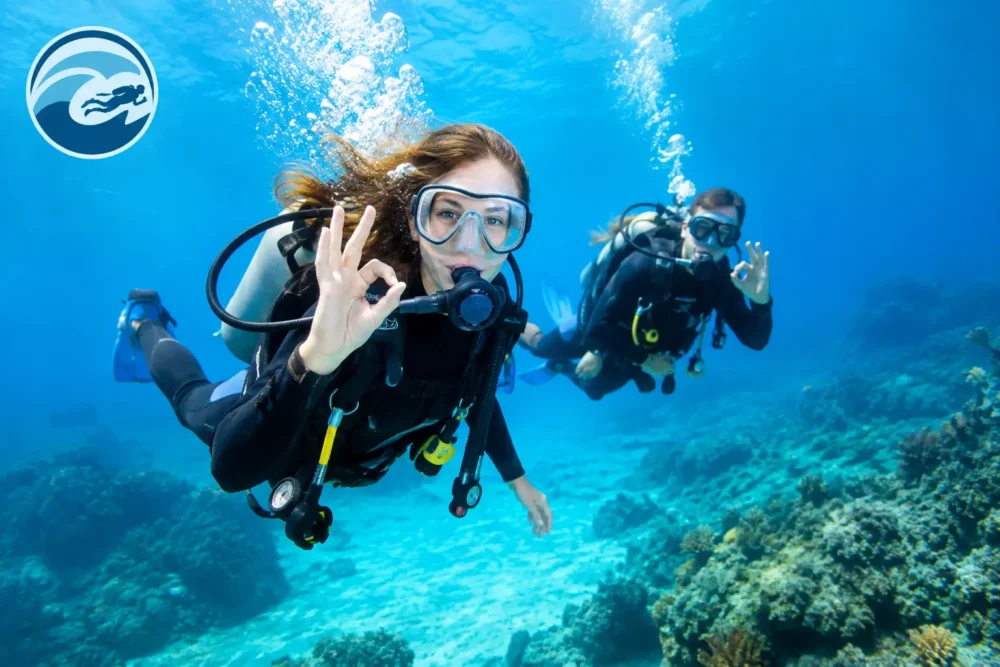
The first breath underwater can feel completely different from anything you have tried before. You are weightless, surrounded by bright Caribbean water, and face-to-face with a reef that seems to go on forever. But before that moment, many travelers ask the same honest question: can non swimmers scuba dive?
The answer is not a simple yes or no. A person who has never taken swim lessons may be able to try scuba under the right conditions. A person who cannot stay calm in deep water, cannot keep their face in the water, or panics when they cannot touch the bottom should not be pushed into an ocean dive. Scuba is not about being a competitive swimmer, but water comfort is a real safety requirement, especially in Cozumel’s open-water environment.
Can non-swimmers scuba dive on a beginner experience?
A closely supervised introductory program can be an option for some non-swimmers, provided they are comfortable enough in the water and meet the instructor’s assessment. You do not need previous scuba certification or a perfect freestyle stroke to begin learning. You do need to be able to listen, follow instructions, breathe calmly through a regulator, and respond without panic if water gets on your face or you lose sight of the bottom.
Before an introductory ocean experience, a responsible instructor starts in shallow, controlled water. You will learn how to breathe from the regulator, clear a little water from your mask, recover the regulator, equalize your ears, and signal if something is wrong. These are not tricks to rush through. They are the foundation of a safe, enjoyable first dive.
Your instructor also needs to see how you react in the water. Some guests arrive saying they are non-swimmers but are actually comfortable floating, kicking with fins, and putting their face underwater. Others may have no swimming background and feel frightened as soon as their feet leave the bottom. Those are very different situations, and they deserve different advice.
At Blue Magic Scuba, the goal is never to force a vacation memory. It is to give you a calm, personal introduction to the underwater world, with patient professional guidance and an honest assessment of whether you are ready for the next step.
Why Cozumel is not the place to skip water comfort
Cozumel offers spectacular reef diving, warm water, and famously clear visibility. It also has currents. Much of the island’s best diving is drift diving, where divers move gently along the reef with the current while the boat follows above.
For a comfortable, properly trained diver, that drift can feel effortless. For someone who is scared in the water, it can add pressure quickly. You may be descending from a boat into water too deep to stand in, moving over coral formations, and surfacing away from the boat before the crew picks you up. That is normal Cozumel diving, but it requires calm attention and trust in your training.
This is why the right dive operator matters more than a bargain price. Small groups, a patient instructor, a licensed boat, and a crew that knows the local conditions give nervous beginners the support they need. But even the best crew cannot replace a guest’s willingness to be in the water.
If you are uncomfortable, the best decision may be to begin with swimming practice before your trip, schedule extra pool time, or enjoy Cozumel from the surface with a snorkel experience. There is no prize for rushing. The reef will still be there when you are ready.
What scuba certification requires
Trying scuba and becoming a certified diver are not the same thing. For an entry-level Open Water Diver course, PADI requires students to complete water-skill evaluations. These include either a 200-meter swim using any strokes with no time limit, or a 300-meter swim using a mask, snorkel, and fins. Students must also float or tread water for 10 minutes.
These evaluations are not designed to judge athletic ability. You do not have to swim fast, look graceful, or use a particular stroke. The purpose is to show that you can remain self-sufficient at the surface if conditions change. A diver may need to wait for a boat, assist a buddy, or manage equipment on the surface. Basic swimming ability helps make those situations manageable.
If you cannot currently complete these skills, you are not ready for Open Water certification yet. That is not a failure, and it does not mean scuba is permanently off limits. Swimming is a learnable life skill, and a few lessons before your vacation can change your confidence dramatically.
The difference between not swimming well and not being water-safe
Many adults call themselves non-swimmers because they never learned formal technique. They may still be able to float, kick, use a snorkel, and move short distances in calm water. With time, guidance, and appropriate conditions, they may be excellent candidates for learning scuba.
A true non-swimmer may be unable to stay afloat without holding the edge of a pool, avoid putting their face in the water, or feel immediate panic in water above chest depth. That person should start with swimming instruction, not scuba equipment. Adding a tank, mask, fins, and a new breathing method can make an already stressful situation feel bigger.
Be candid when booking. Tell the dive shop exactly what you can and cannot do in the water. Have you floated unassisted? Can you wear a snorkel mask? Are you comfortable in a deep pool? Have you experienced anxiety around water? Clear answers help the instructor recommend the safest experience rather than selling you something that does not fit.
How to prepare before a Cozumel scuba trip
If scuba is on your vacation wish list, give yourself a little runway before you travel. Start in a pool with an instructor who works with adult beginners. Focus first on comfort: floating on your back, exhaling with your face in the water, kicking while holding a board, and moving calmly from one side of the pool to the other.
You do not need to become an expert swimmer overnight. The goal is to reduce fear and build familiar, repeatable skills. Practice being in water where you cannot touch the bottom while a qualified instructor is nearby. Learn to rest on your back. Get used to a mask and snorkel if possible. Each small success makes scuba training less intimidating.
It also helps to complete your required medical paperwork honestly. Certain health conditions, medications, recent surgeries, pregnancy, or respiratory concerns may require a physician’s approval before diving. Scuba professionals can explain course requirements, but they cannot diagnose medical fitness.
When you arrive, avoid scheduling a first scuba experience on your busiest day. Give yourself time to settle in, sleep well, hydrate, and ask questions. A rushed guest is more likely to feel overwhelmed than a guest who arrives rested and ready to learn.
What a good first scuba experience should feel like
A first dive should feel organized, unhurried, and personal. You should know who your instructor is, what skills you will practice, how to signal for help, and what happens if you decide you do not want to continue. You should never be told to ignore fear, hold your breath, or keep going when you are distressed.
Expect a professional to stay close, demonstrate each skill, and allow time for you to repeat it. Expect them to call off or change the plan if weather, currents, medical concerns, or your comfort level make the planned dive unsuitable. That is not disappointing service. That is disciplined diving.
For some guests, the right outcome is a beautiful, shallow introductory experience. For others, it is realizing they would rather take swim lessons first and return for certification later. Both outcomes are worthwhile because both keep safety ahead of pressure.
A better goal than proving you can do it
Instead of asking whether you can force yourself through scuba as a non-swimmer, ask what would help you feel genuinely at home in the water. That might mean a few pool lessons, a private introduction, or simply more time before your first ocean dive. Build that comfort first, and when you finally descend over a Cozumel reef, you will have far more room to enjoy the fish, the color, and the pure magic of breathing underwater.