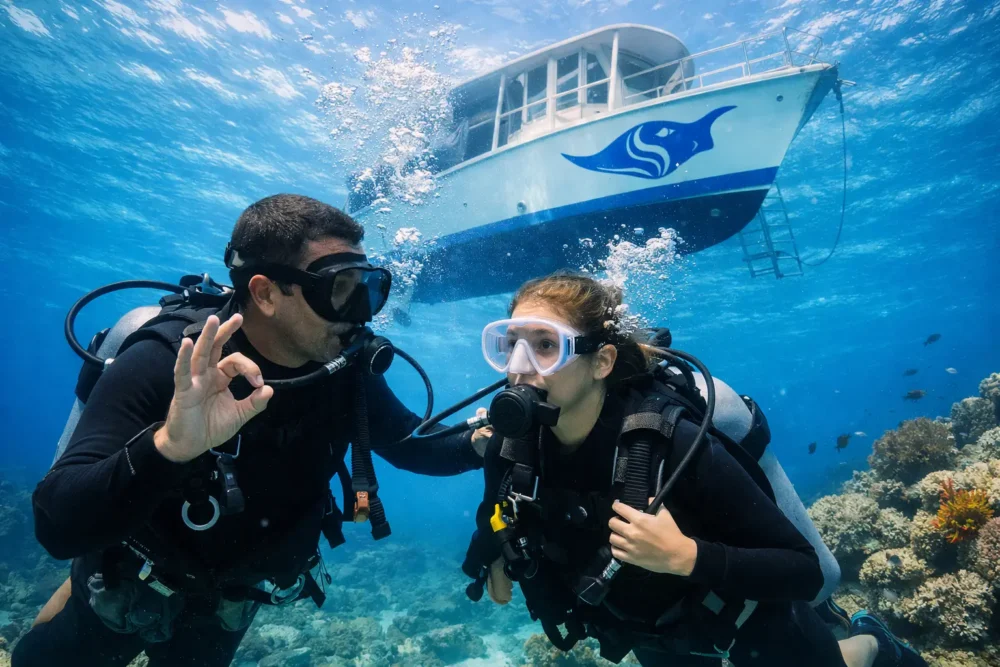
The first time you breathe underwater, the last thing you need is a crowded boat, rushed instructions, or a guide disappearing around the reef. So, is Cozumel good for beginner divers? It can be one of the best places to start, provided you choose a patient instructor, the right conditions, and a dive plan built around your comfort rather than a packed schedule.
Cozumel is known around the world for vivid reefs, bright Caribbean visibility, and easy access to beautiful sites by boat. For new divers, those qualities matter. Seeing where you are, recognizing your instructor’s hand signals, and having a reef full of color close by can make the learning process feel far less intimidating.
That said, Cozumel is also famous for drift diving. The current is part of what makes this island exciting, but it is not the same every day and not every reef is right for every new diver. A great beginner experience is not about proving you can handle the strongest current. It is about building real confidence with professionals who know when to pick a calmer site, slow down, and give you the attention you deserve.
Why Cozumel Works So Well for New Divers
Warm water changes the whole experience. Much of the year, Cozumel offers water temperatures that let beginners focus on breathing, buoyancy, and enjoying the reef instead of shivering through skills. You will usually wear a wetsuit for comfort and protection, but this is not cold-water diving with heavy gear and complicated exposure protection.
Visibility is another major advantage. On clear Caribbean days, the reef does not appear only when you are a few feet away from it. You can often see the sandy bottom, coral formations, your buddy, and the boat’s descent line with plenty of space between them. That visual awareness helps nervous divers feel oriented and helps instructors keep close, calm supervision.
The reef scenery also provides a generous reward for learning. Instead of practicing basic skills over a featureless bottom, beginners may see angelfish, parrotfish, sea turtles, schools of blue tang, and coral gardens during the same trip. You are still there to learn, but the setting reminds you why scuba is worth learning in the first place.
Cozumel’s boat access is especially helpful. Many quality reefs are a short ride from shore, which means less travel time and more energy for the actual dive. A fast, licensed boat with a comfortable crew can make a first boat-diving day feel simple rather than overwhelming.
Is Cozumel Good for Beginner Divers With Currents?
Yes, but this is where the right operation makes the difference.
Cozumel’s current can range from barely noticeable to strong enough that it requires confident buoyancy, close buddy awareness, and solid diving habits. On a gentle drift, the current does much of the work. You float along above the reef while your guide leads the group, conserving air and taking in the scenery. Many beginners actually find a mild drift easier than kicking against the water the whole dive.
But conditions change with weather, location, and time of year. A responsible instructor or divemaster should never treat every site as interchangeable. If you are trying scuba for the first time, completing certification, returning after a long break, or simply feeling anxious, say so before you board the boat. That information should shape the plan.
The best approach is gradual. Start in shallow, protected water where you can get comfortable with your mask, regulator, equalizing, and buoyancy. Then move to an easy reef dive under direct supervision. There is no prize for rushing into deeper water or a faster drift. The real win is ending the dive thinking, “I want to do that again.”
Choose the Right Beginner Experience
Your ideal Cozumel experience depends on whether you have never dived before, want to become certified, or already hold a certification but feel rusty.
If You Have Never Scuba Dived
A Discover Scuba experience is designed for travelers who want to try breathing underwater with an instructor close at hand. You begin with a clear briefing about equipment, communication, and the basic skills that keep you comfortable. You practice in shallow water first, then make a supervised dive only if you are ready.
This is not a shortcut around proper training. It is a chance to experience scuba in a controlled setting and decide whether you want to pursue certification. First-time divers should expect hands-on support, a measured pace, and plenty of time to ask questions. If someone promises to rush you from the dock straight into a deep reef dive, choose another operator.
If You Want Your Open Water Certification
Cozumel can be an excellent place to earn a PADI Open Water Diver certification because your training dives take place in the environment you came to enjoy. You will still complete the required academic development and in-water skills, but reef dives make the course feel like a vacation as well as an accomplishment.
Look for a course with small student groups and instructors who can adapt to your pace. Learning buoyancy or clearing a mask is much easier when you are not competing for attention. A patient instructor will demonstrate, let you practice, offer direct feedback, and repeat a skill when necessary without making you feel behind.
If You Are Certified but Out of Practice
A long break from diving does not mean Cozumel is off limits. It means you should be honest about your experience and consider a refresher before heading out on a more active drift. Reviewing equipment setup, basic safety skills, buoyancy, and communication can turn a nervous return into a relaxed reef day.
This is also where a small boat group matters. With six to eight divers instead of a crowd, the crew can help you set up gear, check weighting, and answer the questions that are easy to forget when it has been years since your last dive.
What a Beginner-Friendly Dive Shop Should Do
A beginner does not need to be coddled, but they do need a team that takes safety and comfort seriously. The right shop will ask about your certification, recent dives, medical considerations, and confidence level before assigning you to a boat or site. They will explain the day’s conditions in plain language, including current, depth, entry procedures, and what to expect when the dive ends.
On board, attentive service is more than a luxury. Help with equipment, a proper briefing, and a crew that watches the water all reduce stress. You should know who your guide is, who your buddy is, how to enter, where to surface, and what to do if you become separated from the group.
Small groups are a major advantage in Cozumel. They make it easier for a guide to notice if you are working too hard, drifting too high above the reef, or signaling that you need a moment. They also make the experience more personal. You are not just another diver in a line of twenty people splashing in on a timer.
At Blue Magic Scuba, that personal approach is part of the day from the start: uncrowded boats, attentive equipment support, and experienced professionals who match divers to conditions and ability. For beginners, that means room to learn without feeling rushed. For traveling partners who are already certified, it can also mean a plan that lets everyone enjoy the water at an appropriate level.
A Few Realistic Things to Consider
Cozumel is beginner-friendly, not beginner-automatic. You still need to be medically fit to dive, comfortable in the water, and willing to listen carefully to instruction. If you have a cold, ear congestion, or trouble equalizing, forcing a dive is never the right call. The reef will still be there tomorrow.
Weather can also affect plans. Wind, surface chop, and current may lead a professional crew to change sites or adjust the schedule. That is not a disappointment or a lack of adventure. It is good decision-making. Flexible divers usually have the best trips because they understand that the safest site on a given day may not be the one they saw in a photo.
If you are traveling with a more experienced diver, talk with the shop before booking. A thoughtful operation can often organize training, easy reefs, and later dives so that a beginner feels included while the experienced diver still gets quality time underwater.
How to Make Your First Cozumel Dives Better
Arrive rested, hydrated, and ready to communicate. Avoid treating your first dive like an item to check off between a late night and a flight home. Give yourself time on the island, especially if you plan to complete a course or have any concern about motion sickness, anxiety, or equalizing.
Tell your instructor what worries you. Whether it is taking off a mask, using a regulator, jumping from a boat, or drifting in current, instructors have heard it before. Naming the concern lets them explain the process and give you a practical way to work through it.
Most of all, stay present. Take the skills seriously, breathe slowly, and look around once you are settled. The reef does not care whether you are brand-new or have hundreds of dives. It simply offers the same bright, moving world to anyone patient enough to meet it one breath at a time.