A great Cozumel dive day is not measured only by how many turtles you spot or how clear the water looks from the boat. The best scuba Cozumel experience starts with the way you are treated before you ever roll in: a crew that knows your name, gear handled with care, a boat that is not packed shoulder-to-shoulder, and a plan matched to your comfort and certification level.
Cozumel has world-famous reefs, warm Caribbean water, and effortless drift diving. But not every dive operation delivers the same day on the water. If you want more than a rushed stop at a crowded site, here is what separates a good Cozumel dive trip from a truly memorable one.
Why Cozumel Is Built for Great Diving
Cozumel sits beside the Mesoamerican Reef, the second-largest barrier reef system in the world. The island’s west side is protected from the open sea, creating the clear, blue water most divers picture when they book a Caribbean vacation. Visibility is often exceptional, and the current carries divers gently along coral walls, sandy channels, and colorful reef formations.
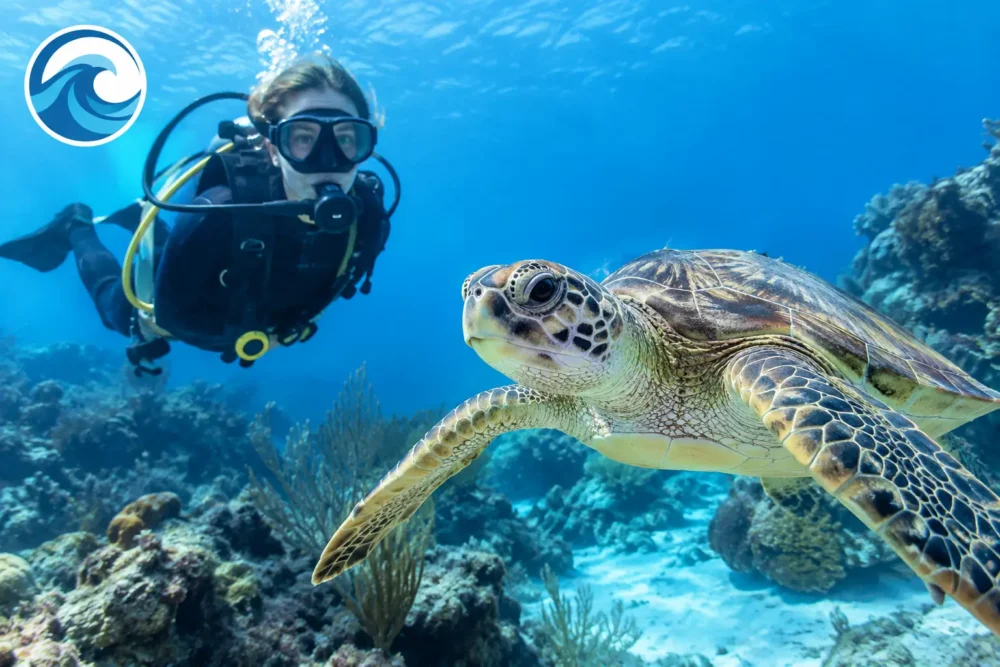
That current is a big part of the magic. On a drift dive, you are not fighting to get somewhere. You descend, settle into a relaxed rhythm, and let the reef come to you. A sea turtle may glide beneath your group. A spotted eagle ray can appear from the blue. Look closer at the coral and you may find splendid toadfish, Cozumel’s unmistakable local celebrity, tucked near a ledge.
Cozumel works for a wide range of divers because the conditions can be both exciting and approachable. Newer divers can enjoy shallow reefs with patient guides and manageable currents. Experienced divers can seek deeper profiles, dramatic swim-throughs, stronger drift conditions, and sites that reward excellent buoyancy control.
Best Scuba Cozumel Starts With the Right Boat
The reef matters, but your boat experience shapes the entire day. Large excursion boats can put dozens of people in the same area at once. That often means waiting to gear up, following a crowded line underwater, and visiting sites that see heavy traffic simply because they are easy for high-volume operations to run.
A small-group boat changes the pace. With six to eight divers, the crew has time to help with setup, check that weights and equipment are right, answer questions, and choose a plan that makes sense for the group. You get more room to move, more direct attention, and a calmer start to every dive.
Fast boats matter, too. Less travel time means more time enjoying the reef and less time baking in the sun between dives. It can also give the captain more flexibility to reach less-visited sites or arrive before busier boats fill an area.
Personal gear support is not a luxury when you are on vacation. It means you can focus on your dive instead of wrestling tanks, hauling bags, or wondering whether your equipment is where it needs to be. The best crews make service feel natural, never fussy. They are ready when you need help and give you room when you do not.
Choose Reefs for Your Experience, Not a Generic Schedule
There is no single best reef for every person. Your ideal Cozumel itinerary depends on your experience, the day’s current and weather, and what you want to see.
For newer and returning divers
Shallower sites such as Paradise Reef can be a wonderful reintroduction to the water. These reefs offer abundant life, easy profiles, and plenty to explore without the pressure of a deep or demanding dive. They are also excellent for Discover Scuba participants who want their first ocean experience to feel supported and exciting.
If you have not been diving in a while, say so before booking. A quality operation will not make you feel embarrassed about needing a refresher. It will help you review the essentials, fine-tune your weighting, and start at a site that builds confidence rather than testing it.
For certified recreational divers
Cozumel’s classic reef dives combine rich coral scenery with the joyful freedom of drifting. Sites such as Palancar, Columbia, and Santa Rosa can offer coral gardens, towering formations, overhangs, and wide-open blue water. Conditions vary, so the specific location should be chosen thoughtfully on the day, not promised blindly weeks in advance.
This is where an experienced local team earns its place. A captain and guide who understand the current, boat traffic, surface conditions, and group ability can make smarter choices than a fixed, one-size-fits-all schedule.
For advanced divers and future professionals
Advanced divers may want deeper reef profiles, more complex navigation, or specialty training that develops real confidence. Deep, Nitrox, Drift, and Sidemount courses can add useful skills while keeping your trip centered on what you came for: exceptional diving.
Cozumel is also a strong place to move beyond recreational training. Divemaster internships and instructor development are most valuable when they include practical exposure to boat operations, real customers, equipment care, and the daily decisions that make diving safe. Watching from the sidelines is not the same as learning to lead.
Safety Should Feel Calm, Not Complicated
The best dive experiences make safety visible without turning the day into a lecture. You should receive a clear briefing that covers the site, current, entry and exit procedures, maximum depth, air management, and what to do if you become separated from the group.
Your guide should also be watching the details that guests may miss: changing conditions, diver comfort, proper spacing, and whether someone needs a little more attention. In a small group, a nervous diver is not left behind and a highly experienced diver is not held back unnecessarily.
There are trade-offs. Small groups may have limited availability during busy travel periods, especially around holidays. Deep or advanced sites may not be appropriate when the current is stronger than expected. A responsible crew will adjust the plan when conditions call for it. That is not a compromise in quality. It is exactly what professional diving looks like.
Make Your Dive Vacation Easier to Enjoy
A Cozumel trip should not require a spreadsheet full of transfers, dive bookings, course dates, and hotel confirmations. Staying close to your dive operation or choosing a sleep-and-dive package can make the whole trip feel easier from the first morning.
For travelers who want value without sacrificing service, accommodations such as a dive hostel can be a smart fit. You get a comfortable base, an easy way to meet other divers, and more budget left for diving, training, or an extra day on the water. Couples, solo travelers, groups of friends, and aspiring professionals may all need something different, so flexibility matters.
Blue Magic Scuba brings those pieces together with small-group boat diving, personalized equipment support, recreational and professional PADI training, and lodging options designed around real dive schedules. Whether you are booking your first supervised ocean dive or building toward instructor-level credentials, the goal is the same: less friction, more reef time, and a team that treats you like part of the family.
How to Book the Experience You Actually Want
Before you reserve, be specific about your goals. Tell the dive team how many dives you have logged, when you last dove, whether you are traveling with a non-diver, and whether you want relaxed reef time, training, or a combination of both. Honest information helps the crew build the right day.
Ask about group size, boat speed, equipment handling, and how sites are selected. If you are traveling during peak season, book early, particularly if you want a course, a private guide, or a package with accommodations. Then leave room in your schedule for one extra dive day if possible. Conditions are usually excellent, but a little flexibility gives your crew the best chance to show you why Cozumel remains a favorite for divers year after year.
The reef will provide the color, current, and Caribbean magic. Choose the team that gives you the time, attention, and confidence to enjoy every minute of it.