
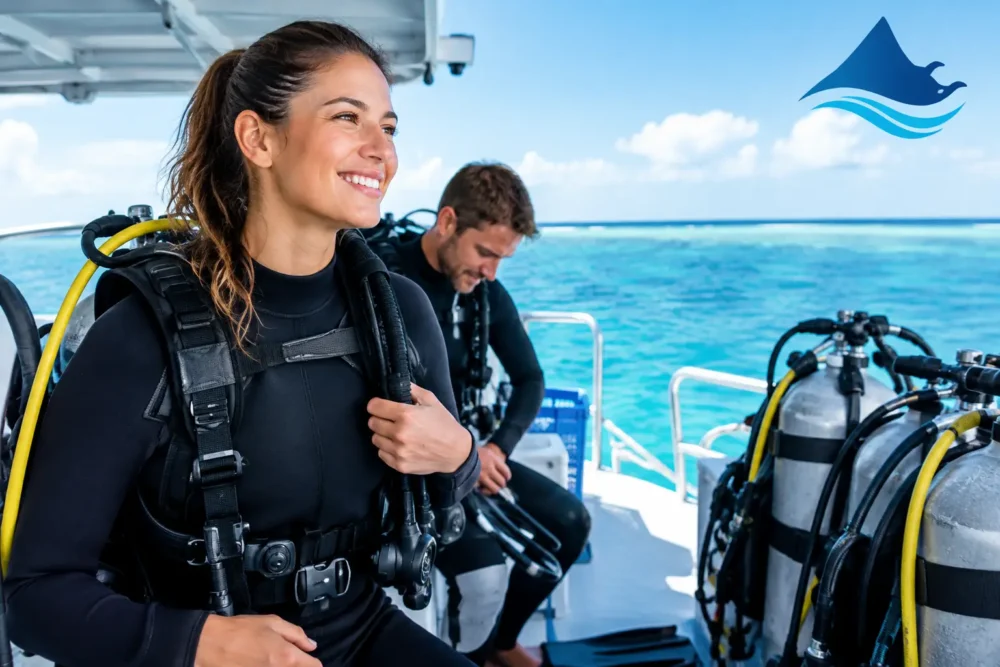
A great Cozumel boat day begins long before the captain leaves the dock. When you prepare boat dives with the right gear, the right expectations, and a simple plan for the morning, you spend less time searching for a missing fin strap and more time enjoying those long, colorful Caribbean drifts.
Cozumel is known for warm water, clear visibility, and reefs that can make even an experienced diver stop and stare. But boat diving still has its own rhythm. Space is shared, entries move quickly, and conditions can change between the marina and the reef. A little preparation lets you relax into the experience while your crew handles the logistics.
Prepare Boat Dives Before You Reach Cozumel
The easiest packing strategy is to separate what must travel with you from what can be rented or supported by your dive operation. Your certification card or digital proof of certification, dive computer, mask, prescription lens mask if needed, swimsuit, rash guard, and any essential personal medications belong in your travel plan from the start.
Your mask deserves special attention. A familiar mask that seals well is one of the best pieces of comfort equipment you can bring. Test the strap before you leave home, pack a spare strap if yours is aging, and use a proper defog solution rather than experimenting with a new product on the boat.
For many traveling divers, renting tanks, weights, and larger equipment is the more practical choice. It saves airport baggage fees and eliminates the frustration of hauling heavy gear through terminals. The trade-off is that you should share accurate sizing information in advance and arrive with enough time to confirm the fit. A well-run shop can make this remarkably easy, but only if it knows what you need.
If you bring your own regulator, BCD, or computer, inspect it before the trip. Confirm your annual service is current, check hoses for cracks, replace weak batteries, and make sure your computer is set to the correct gas mix and units. Do not assume that a piece of gear that sat untouched in a closet since last season is ready for a week of diving.
Build a simple personal boat bag
A boat bag should be compact, organized, and easy to rinse. Keep only what you will actually use during the day: mask, computer, sunscreen that is reef-conscious, sunglasses, a hat, reusable water bottle, light cover-up, dry shirt, and seasickness medication if you need it. A small towel is useful, although many divers prefer to keep bulky towels back at their accommodation.
Avoid bringing valuables whenever possible. Saltwater, wet decks, and crowded travel bags are a poor combination for jewelry, passports, and large amounts of cash. If you need your phone for photos or coordination, use a secure waterproof case and keep it stowed when the boat is moving.
The Night Before: Make the Morning Easy
Early dives are worth it in Cozumel. The water is often calmest in the morning, the light on the reef is beautiful, and getting out ahead of the busiest boat traffic creates a more relaxed experience. That means the night before matters.
Hydrate steadily through the afternoon and evening, especially after travel, sun exposure, or salty meals. Alcohol and dehydration are a bad pairing with scuba diving, even when vacation mode is in full effect. Eat a normal dinner, get real sleep, and set out your swimsuit and boat clothes before bed.
Use the evening to review your next day’s plan. Confirm the meeting time, marina location, payment details if needed, and any special requests. If you are taking Nitrox, make sure you understand your analyzer procedure, planned mix, and maximum operating depth. If you are joining a course, bring any requested materials and arrive ready to focus rather than trying to finish knowledge reviews on the dock.
A quick gear checklist can prevent the most common errors:
- Certification card or digital certification record
- Mask, computer, and any personal dive equipment
- Swimsuit, sun protection, and dry clothing
- Motion sickness medication, taken as directed before departure
- Reusable water bottle and a light snack if your operator recommends one
That last point is worth taking seriously. If you are prone to motion sickness, waiting until you feel queasy rarely works. Ask your physician or pharmacist what option is appropriate for you, follow the directions carefully, and choose a seat where you can see the horizon and get fresh air.
What to Expect on a Cozumel Dive Boat
Cozumel’s signature dives are often drift dives. The current can carry you over coral gardens, swim-throughs, sandy slopes, and dramatic walls with far less kicking than a typical shore dive. It is an extraordinary way to cover reef, but it requires good attention to your guide and buddy.
Listen closely to the boat briefing. Your guide will explain the entry order, current direction, depth profile, hand signals, ascent procedure, and how the boat will pick up the group. These are not generic instructions. They reflect the conditions at that reef on that day.
On a small boat, good etiquette makes the whole experience better. Keep your equipment contained, move carefully with fins in hand, and ask before shifting someone else’s gear. When it is your turn to enter, be ready. That does not mean rushing. It means having your mask defogged, computer on, weights checked, tank valve open, and buddy connection complete before the crew calls you forward.
At Blue Magic Scuba, small groups of six to eight divers create a more personal pace than the packed, high-volume boats many visitors expect. You still need to be prepared, but there is room for questions, proper buddy checks, and real attention from experienced professionals.
Your buddy check is not a formality
Whether you use a familiar acronym or your own routine, check each other’s equipment with intention. Confirm that BCD inflators work, releases are understood, weight systems are secure, air is on and breathable, and alternate air sources can be located quickly. Review how much air each diver plans to reserve and how you will communicate if one person is low sooner than expected.
If you have not dived in several months, say so. If you feel anxious about a backward roll, say so. If a new camera setup has you distracted, say so. Honest communication lets the crew give you practical support before a small concern becomes an underwater problem.
Prepare Boat Dives for Changing Conditions
Cozumel frequently delivers gentle, enjoyable drift conditions, but current strength, wind, surface chop, and visibility are never guaranteed. A flexible diver gets more out of the trip than one attached to a single famous site.
Your captain and guide may adjust the route to suit the weather, port conditions, group experience, or marine protection needs. That is good judgment, not a downgrade. A less-publicized reef with comfortable current and fewer boats can be far more memorable than forcing a difficult plan on a rough day.
Wear exposure protection that matches your comfort, not just the water temperature on paper. Many divers are comfortable in a shorty or rash guard during warm months, while others prefer a full 3 mm wetsuit after multiple dives or on breezy surface intervals. Feeling chilled can increase air consumption and reduce your enjoyment, so it is better to bring a layer than wish you had one.
Protect the reef while you enjoy it. Maintain buoyancy, secure dangling gauges and hoses, and keep your fins away from coral. Do not touch turtles, nurse sharks, rays, or any other marine life, even when the encounter feels close enough for a perfect photo. The best memories come from seeing animals behave naturally in a healthy reef environment.
After the Dive, Stay Ready for the Next One
Once you are back aboard, rinse saltwater from your face, drink water, and let the crew know how the dive went. Mention equalization trouble, unusual fatigue, equipment issues, or anything that made you uncomfortable. A small adjustment before the second dive can change the entire day.
Use your surface interval for recovery, not for racing through photos and messages. Have a light snack, stay shaded, and review your computer. If your guide recommends a shallower profile for the next dive, follow that plan. Smart divers protect the rest of their vacation, especially when they have several days of Caribbean diving ahead.
After the final dive, log the experience while details are fresh. Note the reef, depth, conditions, marine life, and any skills you want to practice. Then rinse your gear thoroughly and allow it to dry in a ventilated area. Salt left in buckles, zippers, and regulators has a way of showing up when you least want it to.
The best way to arrive at the boat is calm, hydrated, equipped, and ready to listen. Bring your curiosity, trust the local knowledge around you, and leave enough room in the day for the unexpected moment that makes Cozumel diving unforgettable.