
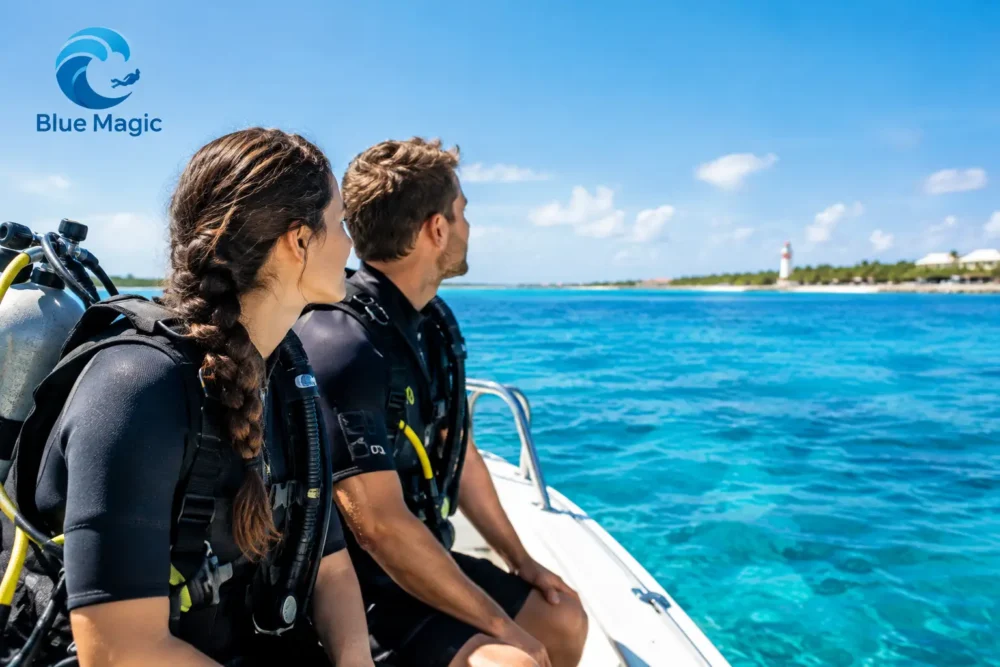
The difference between a good dive trip and the vacation you talk about for years often comes down to one thing: leaving enough room to actually enjoy the water. Knowing how to plan a scuba vacation means more than picking a warm destination and booking two boat dives. It means matching your experience level, dive goals, pace, and accommodations to a destination that makes every day feel easy.
Cozumel is built for that kind of trip. Clear Caribbean water, healthy reefs, famous drift diving, short boat rides, and warm hospitality make it a favorite for first-time divers, returning reef lovers, and professionals building their next level of experience. A little planning lets you spend less time sorting out logistics and more time watching eagle rays glide past the reef.
Start With the Kind of Diving You Want
Before comparing hotels or flights, decide what you want the water time to feel like. Are you a certified diver looking for relaxed morning reef dives? Do you want to get certified while you are away? Are you traveling with a non-diving partner, or are you ready to add Nitrox, Deep, Drift, or Sidemount training to your logbook?
This matters because the best trip schedule is not the same for everyone. A newly certified diver may be happiest with patient guidance, easy entries, conservative profiles, and time to get comfortable with buoyancy. An experienced diver may want early departures, longer days, deeper walls, and less-visited reefs. If you have not been in the water for a year or two, plan a refresher rather than hoping it all comes back on the first descent.
Cozumel’s current is part of its magic. Most reef dives are gentle drifts, with the boat following the group as you float over coral formations, sponges, schools of fish, and sand channels. Conditions vary by site and day, so a good operator chooses the reef around the group, weather, and current instead of treating every dive like a fixed itinerary.
Choose Enough Dive Days – But Do Not Overbook Yourself
Many travelers make the same mistake: they plan to dive every possible day, then arrive tired from travel and rush through the trip. For a first visit, three to five dive days is usually an excellent starting point. It gives you time to see different reef zones, settle into the rhythm of drift diving, and leave room for a beach afternoon, a long lunch in town, or a day trip with your travel companions.
If you are flying home, your final dive must leave an appropriate no-fly interval before your flight. The exact timing depends on your dive profile and number of dives, so build this into the schedule before purchasing return airfare. Do not make the last day of your vacation a race between the dock and the airport.
A practical rhythm for many divers is two morning boat dives, followed by an unhurried afternoon. You can add an afternoon dive or specialty course when you want more water time, but you do not need to prove anything by packing every hour. Diving is better when you are rested, hydrated, and excited to get back in.
Pick a Dive Operator Before You Pick Every Other Detail
Your dive shop will shape almost every part of the trip: boat schedule, reef selection, safety standards, gear handling, group size, and how supported you feel in the water. Price matters, but the lowest advertised rate does not always reflect the experience you receive.
Ask how many divers are typically on the boat and how the groups are formed. Small groups are especially valuable in Cozumel, where divers may have very different air consumption, certification levels, and comfort in current. A boat with six to eight divers feels very different from a crowded excursion where you are trying to keep track of a large group underwater.
Also ask about boat speed, crew support, rental gear, surface intervals, and whether the shop can help coordinate training or accommodations. Fast, licensed boats mean more time at the reef and less time commuting. Attentive crew support means you are not struggling with tanks, weights, or wet equipment when you should be relaxing.
At Blue Magic Scuba, the goal is personal Cozumel diving rather than a cattle-cart experience. Small groups, experienced professionals, and valet-style equipment support let guests focus on the reef, whether they are taking their first breaths underwater or working toward professional-level training.
Safety Should Feel Visible, Not Performative
A quality operation does not need to make dramatic promises about safety. You should see it in the everyday details: clear briefings, appropriate dive plans, well-maintained gear, oxygen and first-aid readiness, professional instructors, and crews who pay attention to changing conditions.
Be honest about your experience when booking. Tell the shop about recent dives, certification level, medical considerations, and any anxiety around currents, depth, or equipment. The right team will help you choose suitable sites and training, not pressure you into a profile that is beyond your comfort level.
Plan Lodging Around Your Dive Routine
A beautiful resort is great, but location and logistics can matter more than a fancy pool when you are diving several days in a row. Consider how far your accommodations are from the marina or shop, whether breakfast works with boat departure times, and where you will rinse and dry personal gear.
Dive-and-stay packages can simplify the trip significantly. Staying with or near your dive operation cuts down on transportation planning and gives you one point of contact for changes, weather questions, boat times, and local recommendations. Travelers on a budget may prefer a hostel-style stay, while couples or families may want a hotel partnership with more privacy and amenities. Neither is automatically better. The right choice depends on how much time you expect to spend at the property versus in the water and around town.
If you are traveling with non-divers, choose a location that gives them an easy vacation too. Cozumel offers beach clubs, snorkeling, restaurants, downtown shopping, island drives, and plenty of quiet places to spend a sunny afternoon. A happy non-diver makes for a happier dive vacation.
Handle Flights, Paperwork, and Insurance Early
Book flights with your final no-fly window already in mind. If possible, arrive the day before your first planned dive, especially if you are starting a course or traveling during a busy season. A buffer night protects your schedule if flights are delayed and gives you a chance to sleep, hydrate, and adjust before boarding a boat.
Bring your certification card or digital certification record, logbook if relevant, dive insurance information, and any course paperwork requested by your instructor. For training, complete eLearning and medical forms early. Waiting until vacation begins can take time away from the ocean.
Travel insurance and dive accident coverage are worth considering, particularly if you are taking multiple dive days, traveling with expensive equipment, or enrolling in a course. Read the policy rather than assuming all travel plans cover diving. Coverage limits, evacuation procedures, and eligible activities can differ.
Pack for Comfort, Not Just for the Photos
Cozumel is warm, but water exposure adds up quickly over multiple dives. A rash guard, wetsuit appropriate to your comfort level, reef-safe sun protection, hat, reusable water bottle, and dry bag all earn their place in your suitcase. Bring any personal items that make you dive more comfortably, such as a properly fitting mask, computer, dive light, or prescription mask.
Rental equipment is an excellent option if you want to travel light. It also makes sense to own the items where fit is most personal, especially mask, fins, and exposure protection. If you bring a regulator, computer, or underwater camera, inspect it before leaving home and pack critical gear in your carry-on when airline rules allow.
Do not forget the less glamorous details: motion-sickness prevention if you use it, a backup swimsuit, and a way to protect your ears from wind after diving. Hydration is not optional in the Caribbean sun. Start drinking water before the first boat day, not after you feel worn down.
Make Room for Training and Better Diving
A vacation is one of the best times to take a course because you can apply new skills immediately on real reefs. Open Water students gain confidence faster when they are surrounded by the environment that made them want to learn in the first place. Certified divers can use a trip to sharpen buoyancy, become more comfortable in drift conditions, or add a specialty that fits their goals.
The trade-off is time. A course requires focus, academics, skill practice, and flexibility around the instructor’s schedule. If your main goal is pure relaxation, schedule training for only part of the trip or add an extra day afterward for fun dives. If professional development is your goal, give yourself enough time to learn properly rather than treating it as a rushed add-on.
Plan a Scuba Vacation That Still Feels Like a Vacation
The best plan has structure, but it also has breathing room. Confirm your dive days, choose a small-group operator, arrange lodging that works with the boat schedule, and leave your final day clear enough for a safe flight home. Then let the island do what it does best.
When the captain points the boat toward the reef and the water turns that impossible shade of Caribbean blue, you should not be thinking about transfers, tanks, or tomorrow’s paperwork. You should be checking your buddy, taking a slow breath, and looking forward to what drifts into view next.